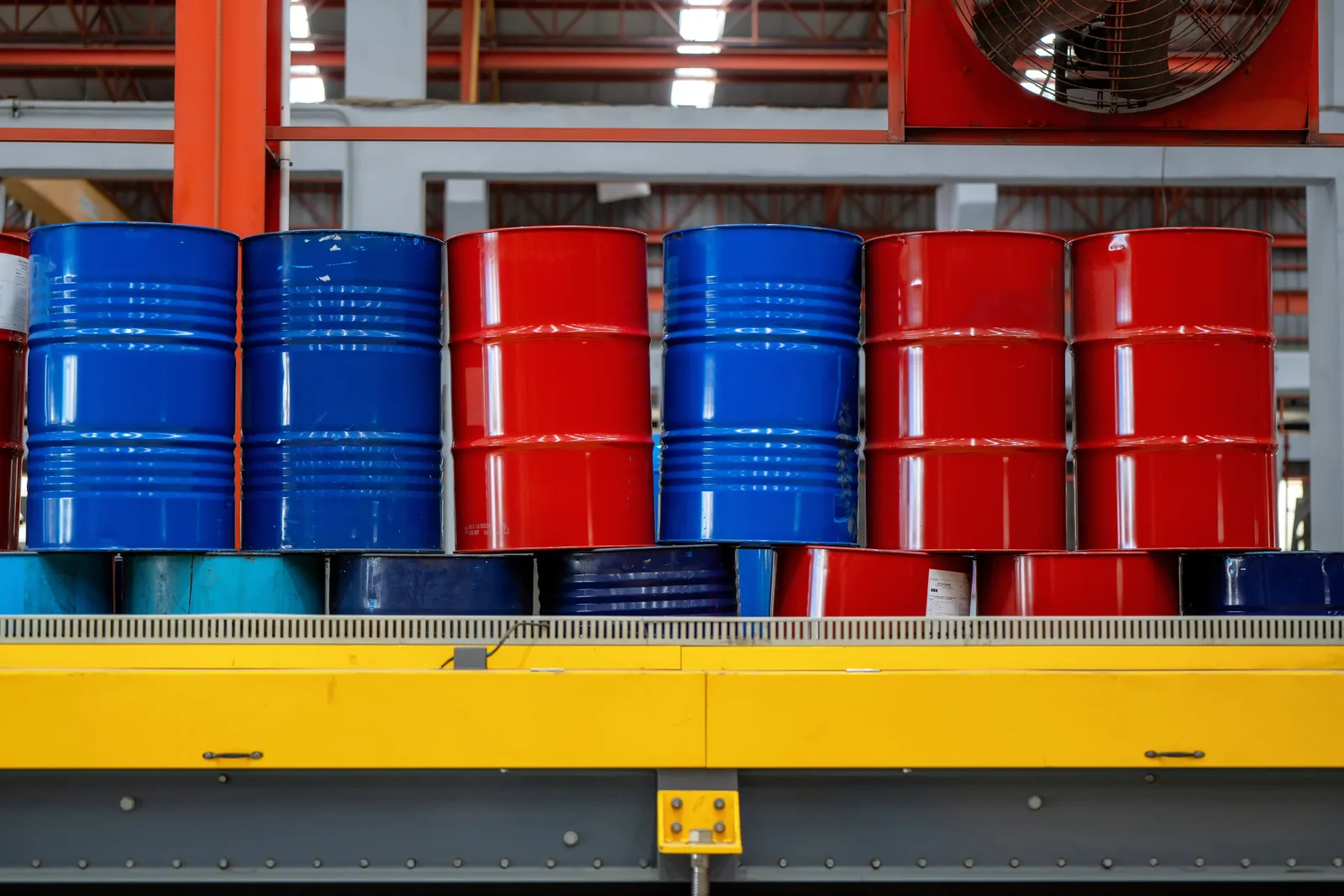
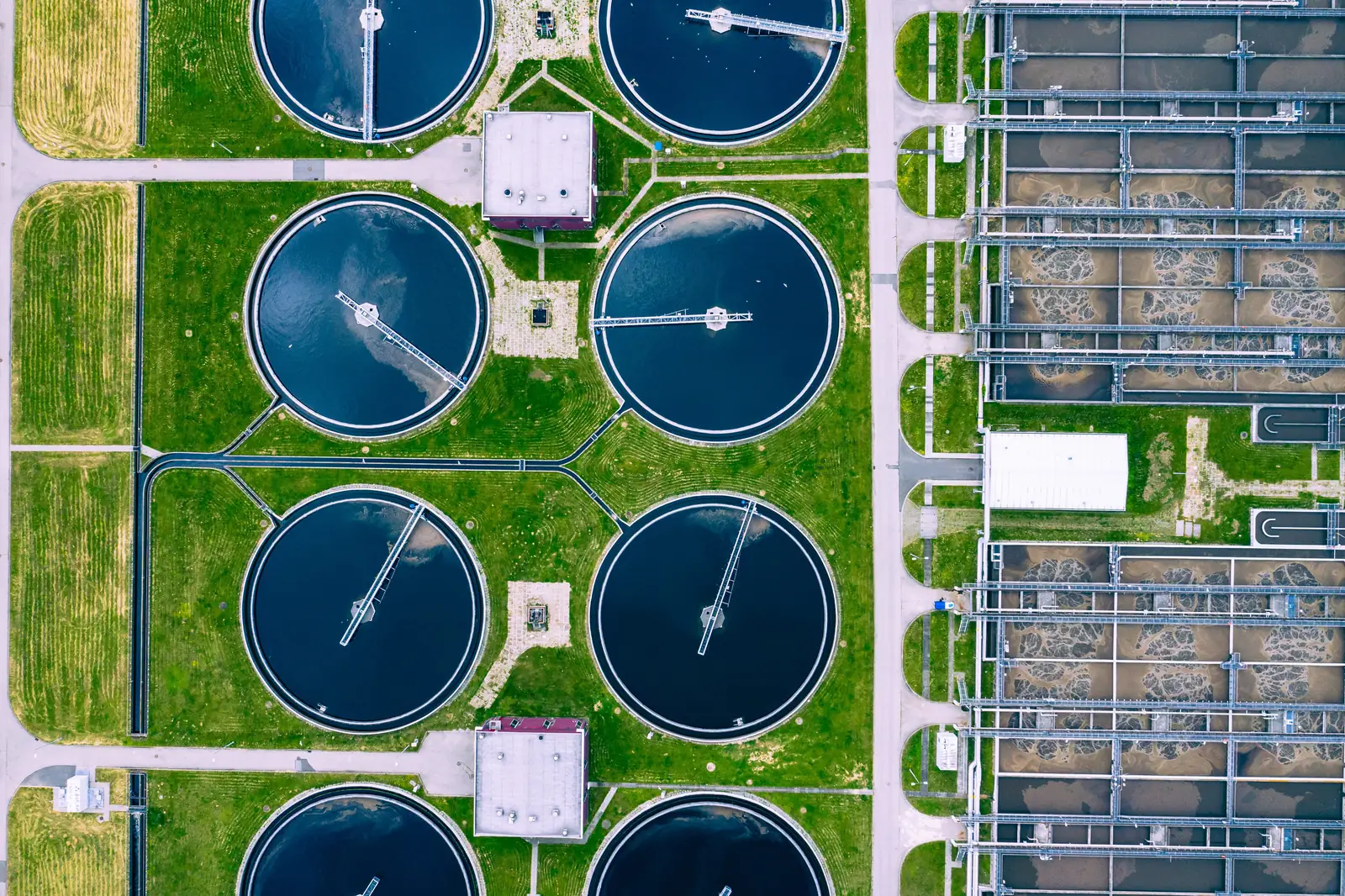
In a single plant, spent pickling liquor from pretreatment, bath changes from plating lines, equipment rinse water and cooling blowdown can be very different. Piping them all to one sump is the simplest layout — but the treatment system then has to handle every component at once, and cost often rises as a result.
Three hidden costs of mixing
1. Dilution: more water to treat
When high-strength liquor is diluted with large volumes of rinse water, total volume rises and concentration falls. For evaporation, treatment cost broadly follows the amount of water to be evaporated, so dilution means paying to process water that could have been reused directly.
2. Interaction: simple streams become complex
Mixed streams can precipitate, foam, emulsify or release odours. Oily wastewater mixed with surfactant-laden rinse water, for example, forms a more stable emulsion that is harder to separate.
3. The hardest stream sets the design
Once streams are mixed, materials, pretreatment and operating conditions must all cater for the most difficult component. Even if that stream is a small share of the total volume, the whole system pays for it.
The cost of segregation
Segregation is not free either. It needs:
- Separate collection pipes and holding tanks
- Sampling and quality tracking for each stream
- Finer operating schedules, since streams may be treated differently or at different times
So the question is not whether segregation is good, but which streams are worth separating.
Deciding which streams to separate
Review each stream in this order:
| Step | Question to answer |
|---|---|
| 1. Inventory | Which process does it come from? Continuous or batch? How much each time? |
| 2. Sample | Sample during normal production, cleaning and bath changes to see how concentration and composition vary |
| 3. Group | Which streams are similar enough to combine? Which carry special components (oil, cyanide, heavy metals, high salt)? |
| 4. Estimate | After separation, what volume and treatment does each group need? How much less water must be evaporated? |
| 5. Compare | Do the treatment and disposal savings exceed the added piping, storage and management cost? |
The streams usually worth separating first are those that are small but concentrated or unusual, and those that are large but clean enough to reuse directly.
How segregation links to evaporation and reuse
Good segregation widens the options downstream:
- A small, concentrated stream suits MVR evaporation, followed by scraped-surface drying if further reduction is needed
- A large, dilute stream may need only simple treatment to return to rinsing or cooling
- An oily or easily emulsified stream should go through oil–water separation first, before deciding on concentration
Conversely, when everything is mixed, the only route left is often to treat the whole flow together — with a system sized for the full volume.
What to bring to a first discussion
- Source process, discharge pattern (continuous or batch) and daily volume for each stream
- Sampling results from different times
- Current treatment, off-site volumes and costs
- Space available for new pipes and holding tanks
Seeing each stream clearly shows where investment pays most; segregation is often the cheapest step with the biggest effect in a whole water-treatment plan.