Mobile & rental
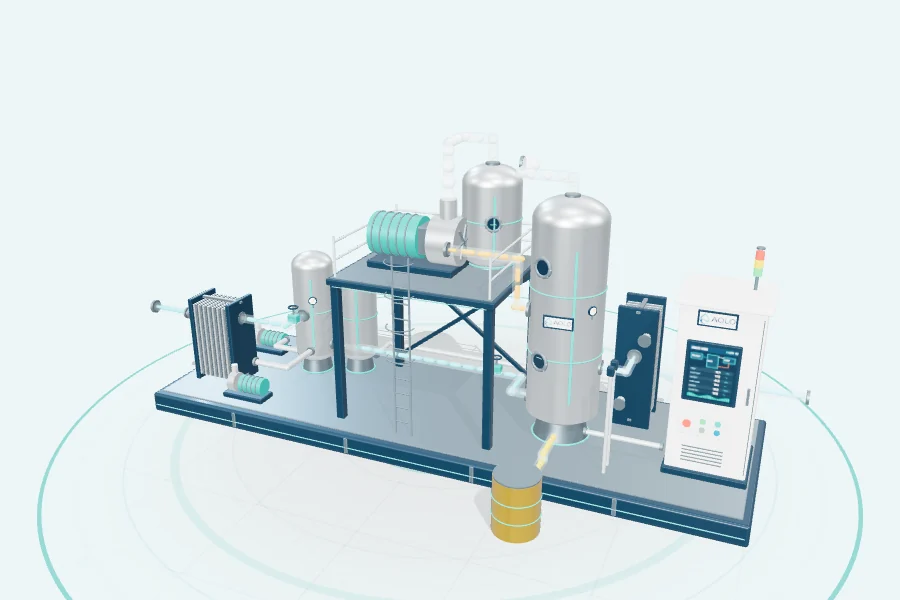
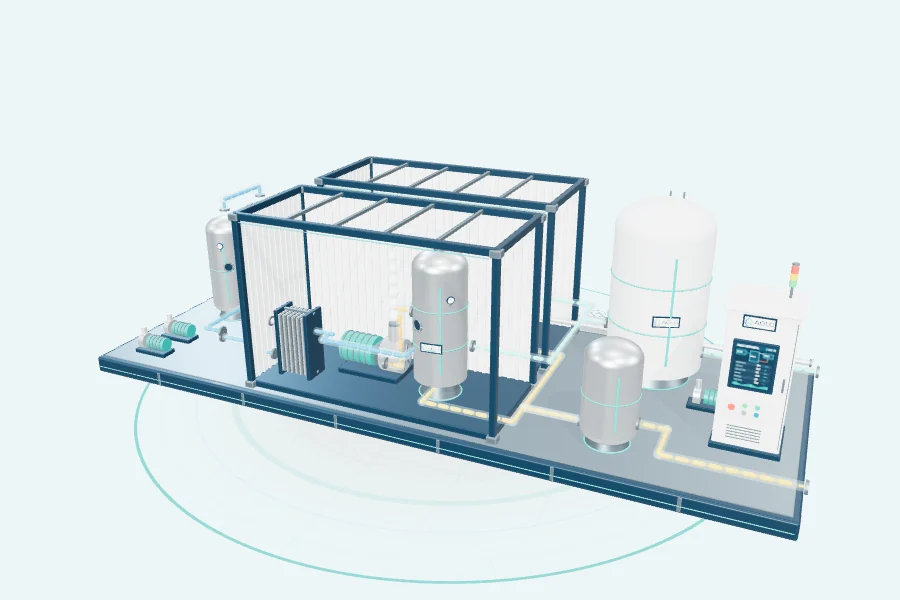
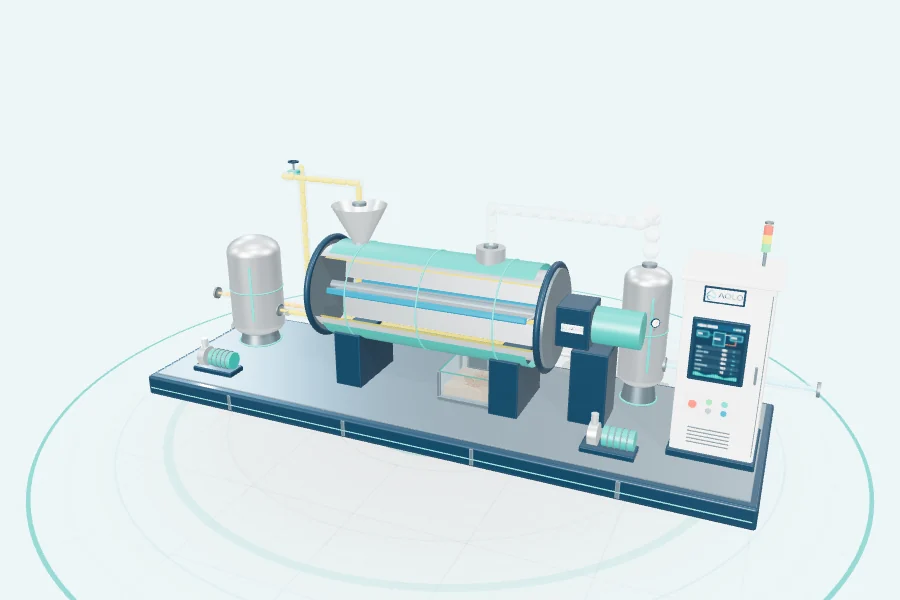
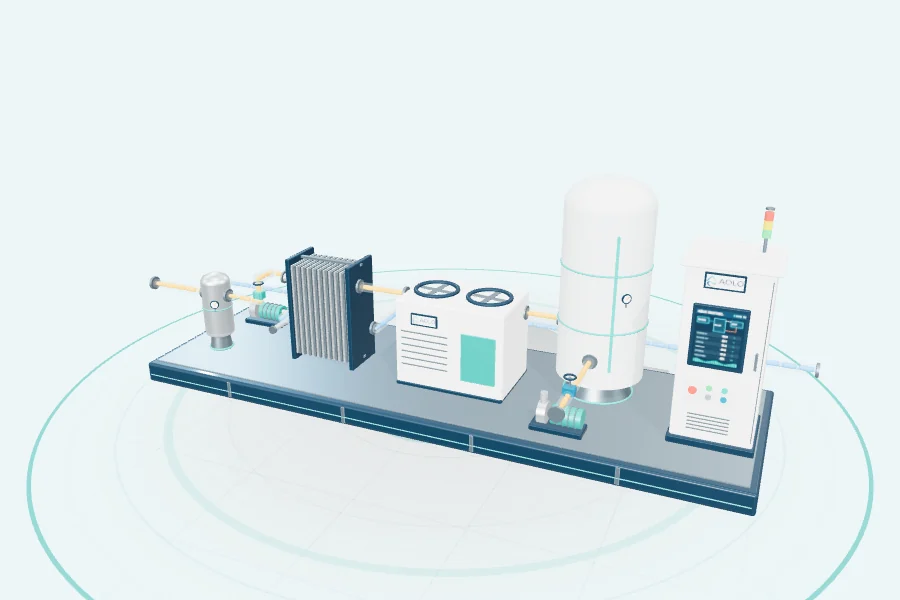
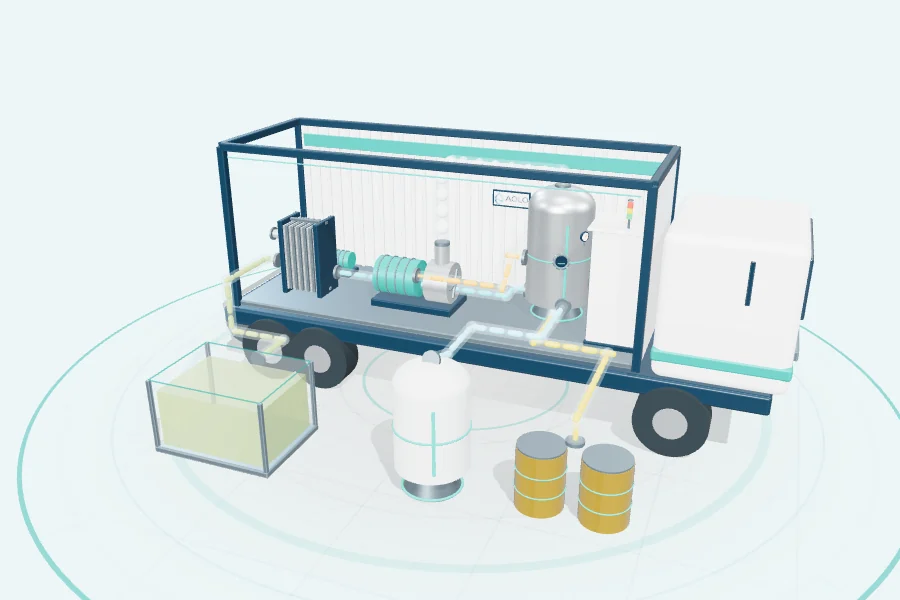
For plants with modest daily volumes that are discharged irregularly, buying a full system rarely pays off. The MVR mobile treatment vehicle carries containerized evaporation equipment to your site and connects to your holding tank: wastewater is split into condensate and concentrate, the condensate is reused or discharged as your permit allows, the concentrate is collected, and the vehicle leaves when the job is done.
Highlights
- The same MVR technology as fixed equipment — the compressor reuses the vapor's latent heat
- Connect on arrival and start treating, no plant room needed
- Fully automated, with remote monitoring during treatment
- Billed per job, suited to irregular wastewater
- Can serve as a trial before rental or purchase
How it works
- 01Arrive and connect
The vehicle parks on site and is connected to the wastewater holding tank and power with hoses and cables.
- 02Preheat and evaporate
Wastewater is preheated and fed to the on-board evaporator, where it boils on the heat-exchange surface and releases vapor.
- 03Recompress the vapor
The compressor raises the vapor's pressure and temperature to heat the next portion of wastewater, running mainly on electricity.
- 04Discharge and depart
Condensate goes to its reuse point or permitted discharge, concentrate is collected in drums, and the vehicle disconnects and leaves.
Typical applications
- Plants treating under 10 t/day on an irregular schedule
- Periodic wastewater from cleaning and bath changes
- Trial treatment and volume assessment before a long-term investment
- Temporary treatment during maintenance or production peaks
What to evaluate
- Wastewater composition: salts, organics, volatile components and foaming tendency
- Volume per job and how often it is produced
- Parking space, access route and power available for the vehicle
- Destination and discharge permit for the condensate
- How the concentrate is collected and where it goes next
Figures are typical values; actual performance depends on feed composition and operating conditions.