Process applications
In many plants one process discharges hot water or exhaust vapor while another heats cold make-up water. Recovering that heat starts with putting both ends side by side: temperatures, flows and the hours each one runs.
90%Energy recovery with MVR vapor recompression (up to)
Highlights
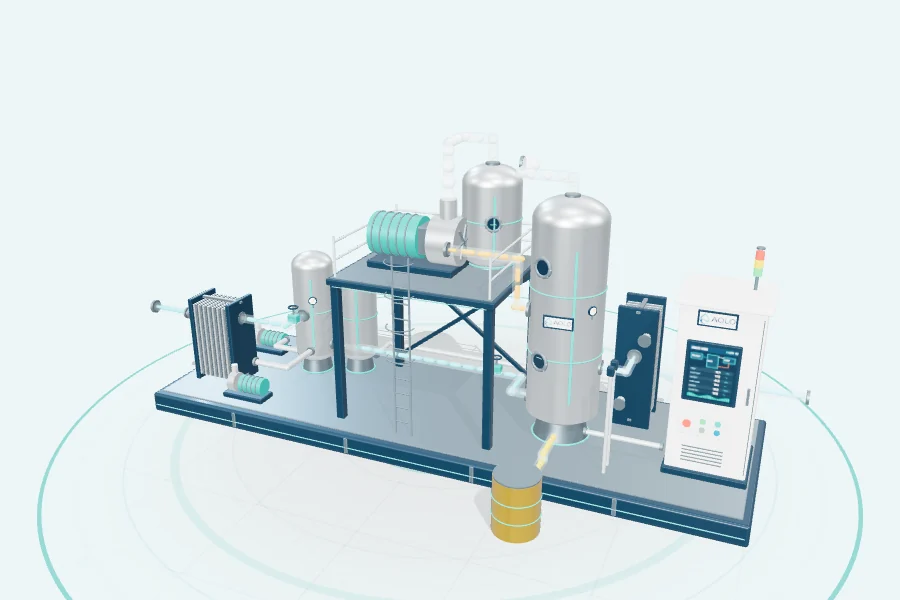
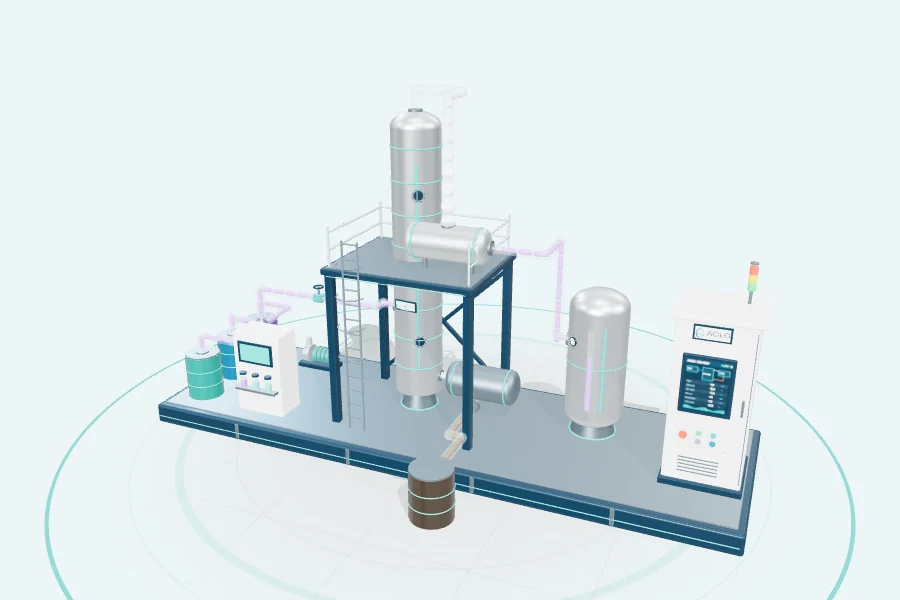
- Recovers waste steam and exhaust vapor with MVR vapor recompression
- Turns hidden heat losses into usable process heat
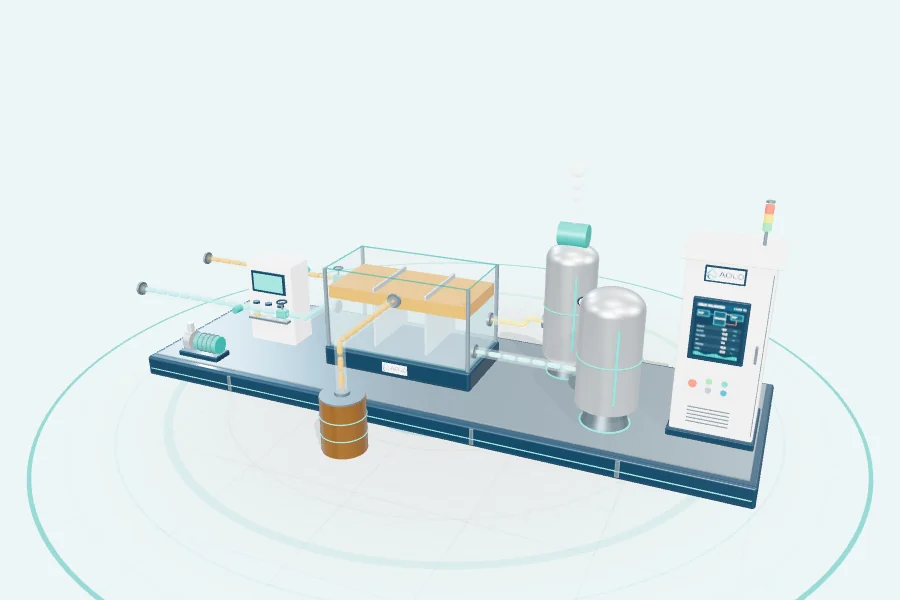
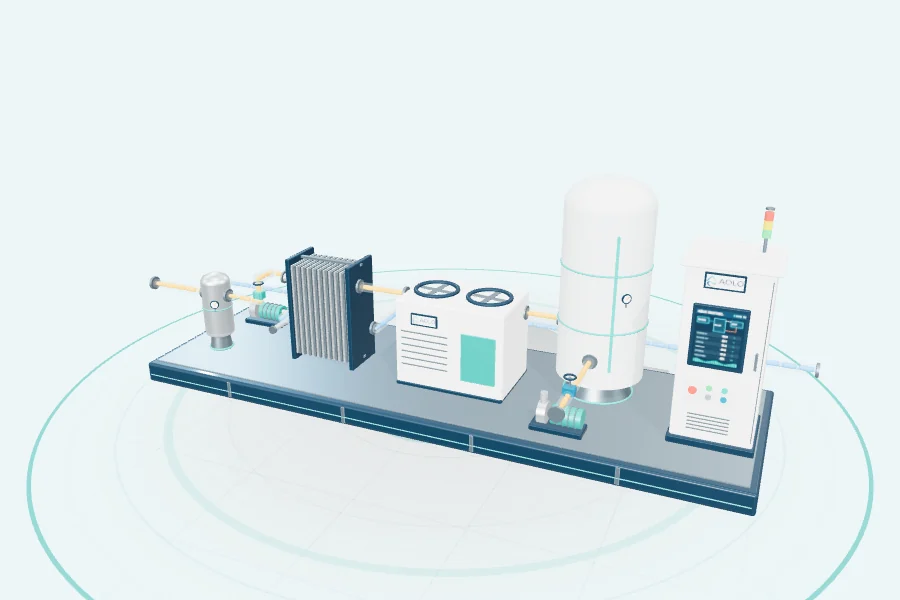
- Works alongside heat exchangers and heat storage
How it works
- 01Map heat sources
List hot effluents, exhaust vapor, condensate and cooling loops, with temperature and flow.
- 02Map heat users
List where heating is needed: make-up water, cleaning, process baths or space heating.
- 03Match and schedule
Pair sources and users by temperature and schedule; add heat storage where shifts don't overlap.
- 04Select the recovery route
Heat exchangers, heat pumps or vapor recompression, chosen by temperature lift and duty.
Typical applications
- Hot rinse and wash water
- Dryer and evaporator exhaust vapor
- Boiler blowdown and condensate return
- Cooling-water loops at a useful temperature
What to evaluate
- Temperature difference between source and user
- Fouling or corrosion potential of the hot stream
- Overlap of operating hours
- Distance and piping route between the two points
- Current steam, electricity and fuel costs
Figures are typical values; actual performance depends on feed composition and operating conditions.